Almost every contractor we talk to in Dana Point has already tried a website builder. The site looks fine. It has a logo, a photo gallery, a contact form. And it produces nothing, because nobody ever sees it.
That is the real problem, and it is worth being honest about what is causing it. A builder is not bad software. It is software with no opinion about your market. It will happily publish a page that competes for nothing.
What DIY builders actually do well
Give credit where it is due. If you need a single page with your phone number, your license number, and five photos of finished work, a builder will do that cheaply and quickly. For a brand new one-truck operation still working off referrals, that is a perfectly reasonable starting point.
The trouble starts when you expect that page to bring you work.
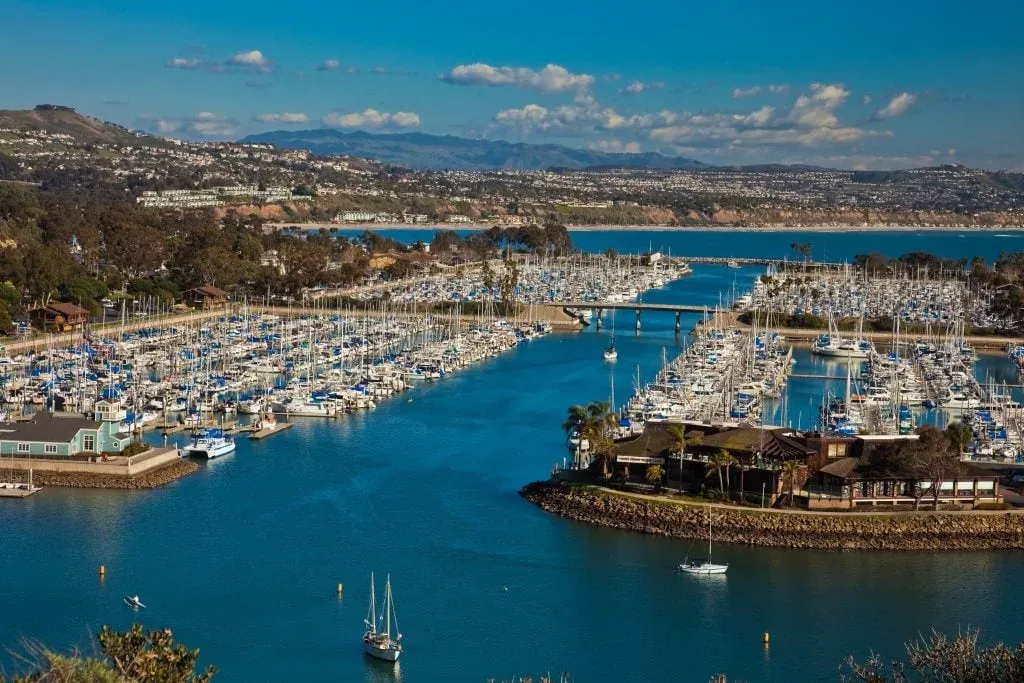
Local search is the whole ballgame here
Dana Point is not a big city, and homeowners do not search like one. They search by the pocket they live in. Monarch Beach. Salt Creek. The Lantern District. Capistrano Beach. Near the harbor. A contractor site that only ever says "serving Orange County" matches none of that.
A designer who works this market builds pages around the way people actually type. That means separate pages for the services you want more of, separate pages for the towns you genuinely serve, and body copy that names streets, neighborhoods and landmarks because that is what the search engine is matching against.
- One page for everything. A builder template pushes you toward a single home page listing eight services. That page competes for nothing in particular.
- Duplicate city pages. The common shortcut is to copy one page and swap the city name. Google is good at spotting that, and it does not reward it.
- No titles or descriptions. Builders will publish a page titled "Home" forever if you let them, and most people let them.
Your Google Business Profile outranks your website
For a Dana Point contractor, the three map listings sitting above the regular search results are usually worth more than anything else on the page. Most of the calls come from there.
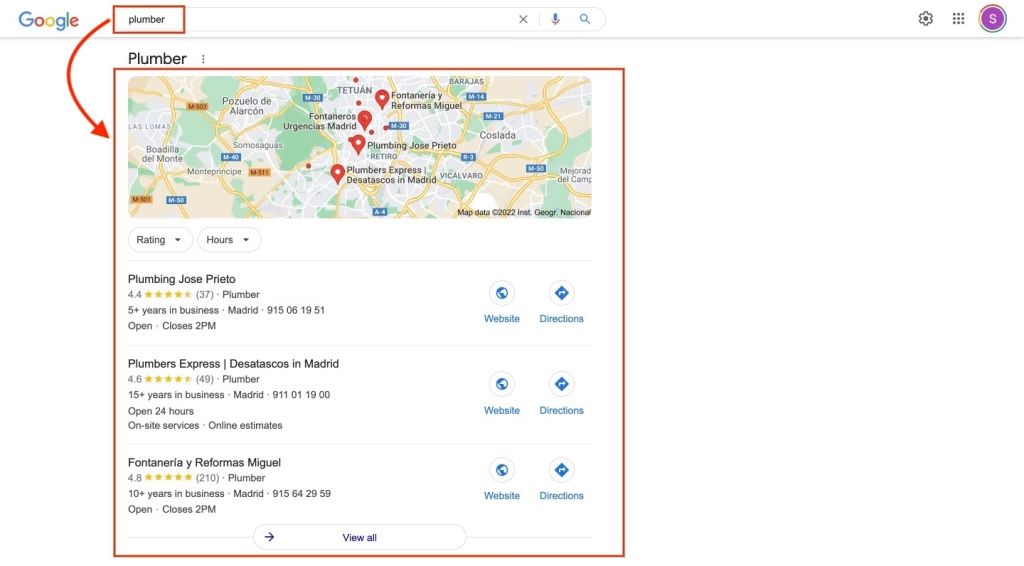
A builder does not touch any of that. Your profile is a separate property that has to be filled out properly, categorized correctly, kept current with photos of real jobs, and connected back to a website that says the same things it does. When your profile says one service area and your site says another, you are asking Google to guess.
The same goes for directory listings. Your name, address and phone number need to match everywhere they appear. Cleaning up inconsistent listings is dull work, it is not something a builder prompts you to do, and it moves the needle.
The trust details a template never asks you for
Homeowners in this part of the county are careful about who they let on the property, and they check. A template has no idea what a contractor needs to show, so it never asks. Put these where somebody can find them without hunting:
- Your CSLB license number, visible in the footer on every page, not buried on an about page.
- Bond and insurance status, stated plainly. People ask this on the first call. Answer it before they have to.
- Coastal permitting experience, if you have it. Work in the coastal zone can involve the California Coastal Commission on top of the city process, and a homeowner who has been through it once will look for that.
- A real service area, listed by name. Dana Point, Capistrano Beach, San Juan Capistrano, Laguna Niguel, Laguna Beach, wherever you actually go.
- Photos of your own jobs. Stock photos of somebody else's kitchen read as exactly what they are.
The Practical Test
Open your site on your phone, on cell service, standing in a driveway. If it takes more than a couple of seconds to load, or you have to pinch to read the phone number, that is the experience every one of your leads is having.
Speed and phones are not optional
Nearly all of this traffic is mobile. Builder sites tend to get heavy: oversized images straight off a camera, sliders nobody scrolls, three tracking scripts loading before anything appears. Every second of that costs you people who were ready to call.
A built site handles this at the source. Images get compressed and sized correctly, the phone number is a tap-to-call link at the top of the screen, and the form works on a phone in one hand. None of that is glamorous. All of it decides whether a visit becomes a call.
Who fixes it when it breaks
With a builder, you are the IT department. When the form quietly stops delivering, and forms do quietly stop delivering, you find out weeks later when somebody mentions they emailed you and never heard back. There is no alert for that.
Working with someone local means the person who built it still has it. Updates, backups, security, a form test that actually confirms mail is landing, and a phone number that reaches a human in your own time zone. Most of the value here is in the problems you never hear about.
When DIY is genuinely the right call
If you are brand new, booked out on word of mouth, and just need a place to point people, build it yourself and save the money. If you are trying to win jobs from strangers who are searching right now, in a market where one kitchen or one roof pays for the site several times over, the math changes fast.
The honest question is not builder versus designer. It is whether you want a website or you want the phone to ring. Those turn out to be two different projects.